
Selling a Home With a Pool in Southwest Florida? Why a Pre-Listing Pool Inspection Pays Off
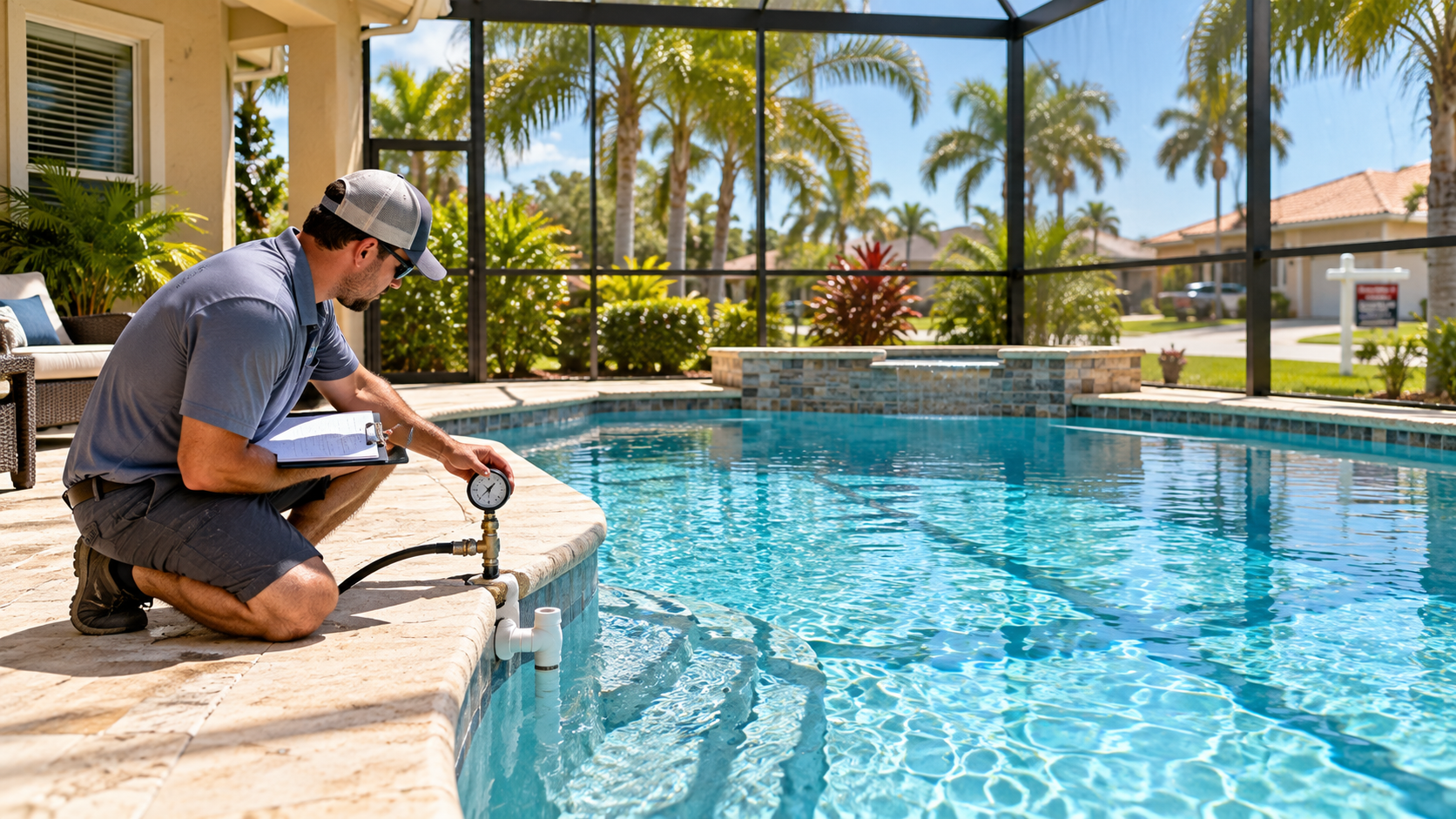
Your pool might be the reason a buyer falls in love with your house. It can also be the reason they demand a hefty repair credit days before closing. A pre-listing pool inspection in Fort Myers puts you in control of that story before anyone else writes it.
At OG Pool Protection, we inspect pools for buyers, sellers, and agents across Fort Myers, Cape Coral, and the rest of Southwest Florida. Most of our home sale calls come from buyers. However, the sellers who call first almost always have an easier closing.
Here is why getting ahead of the buyer's inspector makes sense, and what a proper pool inspection actually includes.
Why Buyers Look So Closely at Southwest Florida Pools
In Lee County, a pool is often the most expensive feature in the backyard. Buyers know that, and so do their agents. As a result, the pool gets more scrutiny here than almost anywhere else in the country.
Storm history adds another layer. Since Hurricane Ian, many buyers ask directly whether a pool shell, deck, or plumbing shifted during flooding or surge. A general home inspector usually cannot answer that question with confidence.
What Buyers Are Told About Sellers
Industry guidance for buyers is blunt. Buyers are routinely advised not to take a seller's word that the pool "holds water fine." That advice is fair, because most sellers have never had their pool tested under pressure.
The smart response is not to argue. Instead, hand buyers a written, photographed report from an independent specialist. That changes the conversation from suspicion to proof.
What a Pre-Listing Pool Inspection Covers
A pool inspection is not a quick glance at the water and a thumbs up. Our process is built around leak detection, because hidden water loss is what turns a smooth sale into a stalled one.
A typical OG Pool Protection home sale inspection includes:
- Pressure testing of each accessible plumbing line to confirm it holds
- Dye testing at skimmers, returns, light niches, and fittings
- A full underwater dive to check the shell for cracks and failed fittings
- Acoustic listening with LeakTronics equipment for harder to find leaks
- A visual review of tile, plaster, coping, and the equipment pad
The Written Report
Every inspection ends with a written report that includes photos, readings, and plain language findings. You can share it with your listing agent, attach it to disclosures, or hand it to a contractor for quotes. Most residential inspections take between 90 minutes and three hours on site.
How a Pre-Listing Inspection Pays Off for Sellers
The value is not just finding problems. It is finding them on your schedule, at your price, with time to decide what to do.
You Set the Repair Price, Not the Buyer
When a buyer's inspector flags a possible leak, the buyer often asks for a credit based on a worst case guess. That number is usually padded for uncertainty. By contrast, if you already know the problem, you can get real quotes and fix it for what it actually costs.
Fewer Surprises During the Option Period
Inspection deadlines are tight. A leak discovered late can force rushed repairs, a reduced price, or a canceled contract. Knowing the pool's condition before listing removes that pressure entirely.
A Stronger, More Confident Listing
Buyers respond to transparency. A listing that notes a recent independent pool inspection signals a well cared for property. In our experience, agents appreciate having a clean report ready when the first questions come in.
Common Issues We Find on Southwest Florida Pools
After locating thousands of leaks across Lee, Collier, Charlotte, and Hendry counties, we see the same problems again and again. Many sellers have no idea these issues exist until someone tests for them.
- Skimmer throat cracks where the skimmer meets the shell, often from ground movement
- Return line leaks under the deck that show up as slow, steady water loss
- Light niche leaks around the conduit behind pool lights
- Failed main drain fittings that only a dive inspection can confirm
- Black algae and calcium buildup that make an otherwise solid pool look neglected
Evaporation or a Leak?
Southwest Florida summers can evaporate roughly a quarter inch of water per day. Because of that, many sellers assume normal water loss is just the weather. A pressure test settles the question in one visit, so you are not guessing when a buyer asks.
What to Fix Before Listing
Prioritize anything that involves active water loss or structural concerns. Cosmetic issues like calcium or stained tile matter too, since buyers judge the whole backyard in photos. We can connect you with trusted local pros for repairs once the report is in hand.
When to Schedule and How to Use the Report
The best time to book is a few weeks before your listing photos. That leaves room to get quotes, finish repairs, and retest if needed. We typically schedule within the same week you call.
Putting the Report to Work
Once you have the findings, share them strategically:
- Give a copy to your listing agent so they can answer pool questions with confidence
- Keep repair invoices alongside the report as proof of completed work
- Ask your agent how to reference the inspection in disclosures or listing remarks
- Offer the report to serious buyers early, before they schedule their own inspector
A buyer may still hire their own inspector, and that is fine. When your report and theirs line up, trust goes up and negotiations get shorter. Our clients also appreciate that we work in both English and Spanish, which helps with a wide range of buyers in the Fort Myers market.
Frequently Asked Questions
What is a pre-listing pool inspection?
A pre-listing pool inspection is a specialist evaluation of your pool before your home goes on the market. It checks plumbing, the shell, fittings, and equipment for leaks and visible problems. You receive a written report you can share with your agent and buyers.
Isn't the buyer's home inspection enough?
Most general home inspectors only do a visual check of the pool and equipment. They typically do not pressure test plumbing lines or dive the shell. A pool specialist can confirm leaks that a general inspection would miss.
Do I have to disclose what the pool inspection finds?
Florida sellers generally must disclose known defects that materially affect a property's value. Your real estate agent or attorney can explain exactly what applies to your situation. Many sellers simply repair the issue and provide the invoice with the report.
How long does a pool inspection take?
Most residential pool inspections take between 90 minutes and three hours. Pressure testing the plumbing usually takes the longest. The dive portion goes faster once we know where to focus.
Can you inspect pools in Cape Coral as well as Fort Myers?
Yes. OG Pool Protection is headquartered in Cape Coral and serves Fort Myers, Estero, Bonita Springs, Lehigh Acres, Sanibel Island, and nearby communities. We cover Lee, Collier, Charlotte, and Hendry counties.
What if the inspection finds a leak?
You will know exactly where the leak is and what it involves. From there, you can repair it before listing or factor it into your pricing. We are happy to connect you with trusted local professionals to handle the work.
Before you list, find out what your pool will tell a buyer. OG Pool Protection delivers a clear, photographed report you can act on, with straight answers and no guesswork. Call (239) 202-7555 or book an inspection to schedule a consultation for your Fort Myers or Cape Coral home. Learn more about our Home Sale Pool Inspection service.