
Pool Inspection Before Remodel: What Fort Myers Homeowners Need to Know
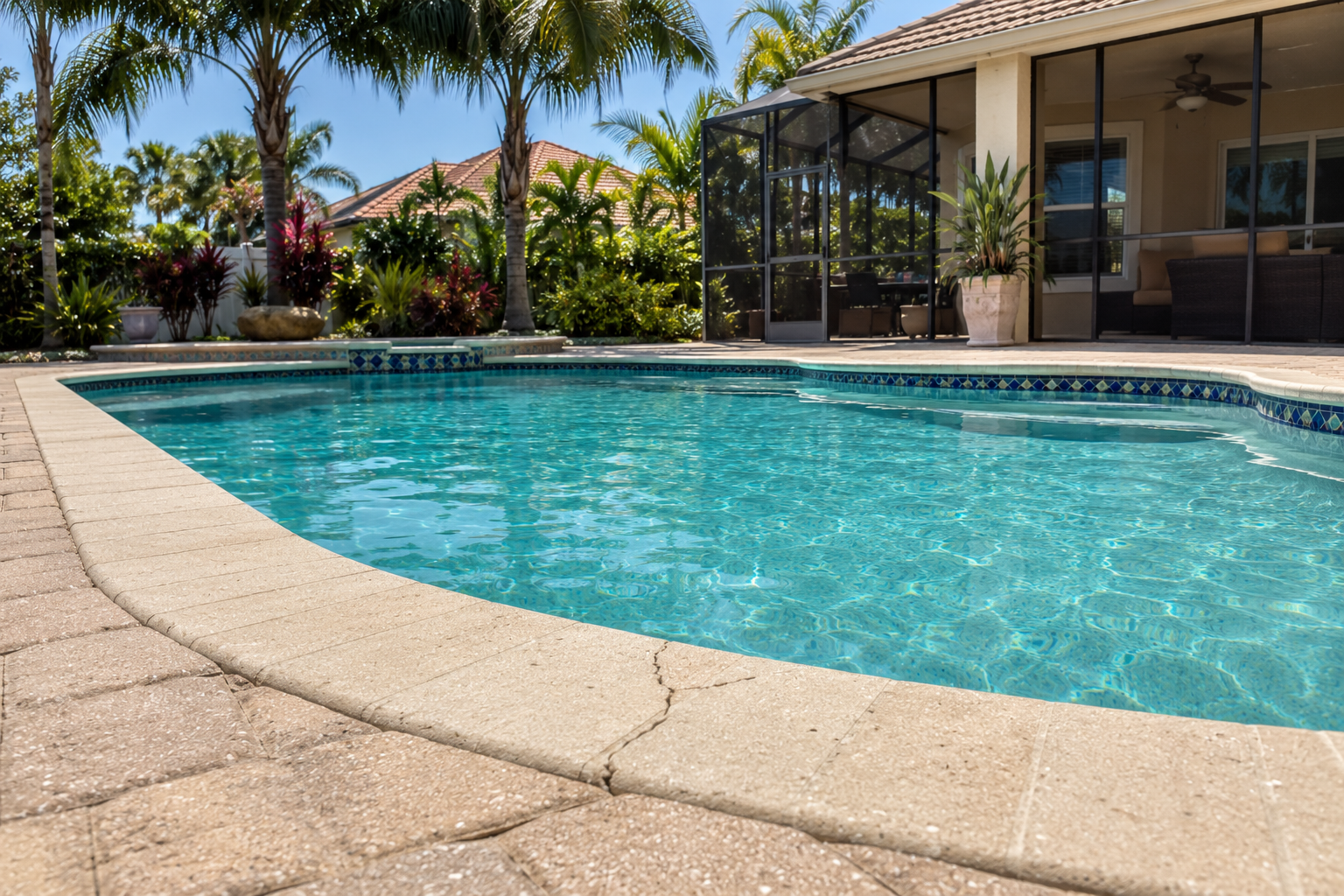
You've picked your tile, chosen your finish, and you're ready to start your pool remodel. But before any crew touches your pool, a pool inspection before remodel work begins can save you from a much bigger bill down the road. At OG Pool Protection, we've walked into Fort Myers renovation projects where a skipped inspection turned a planned resurfacing into a full plumbing overhaul mid-project. Here's what that inspection actually covers and why it matters more here than almost anywhere else in Florida.
Why Fort Myers Pools Need Extra Scrutiny Before Renovation
Fort Myers sits on a mix of sandy and shifting soil, and our humidity and salt air take a toll on pool equipment and structures faster than in drier climates. A pool that looks fine on the surface can be hiding cracked plumbing or a shell that's already shifted with the ground beneath it.
Conditions that make pre-renovation inspections especially important here:
- High water table common throughout Lee County
- Seasonal heavy rains that stress pool shells and decks
- Salt air corrosion on metal fittings and equipment
- Older pools (often 20+ years) still running original plumbing
Because these factors compound over time, a pool that hasn't been inspected in years can have problems a homeowner never noticed simply because nothing looked visibly wrong.
What a Pre-Renovation Pool Inspection Actually Covers
A proper inspection goes well beyond a quick visual glance. It's meant to catch problems that would otherwise get sealed under new plaster or tile, where they become far more expensive to fix later.
Structural Assessment
Inspectors look closely at the pool shell for:
- Hairline cracks that could widen under new plaster
- Settling or shifting, especially near the deep end
- Deck cracks connected to shell movement
- Signs of previous patch repairs that may need redoing
Structural issues are the ones you most want caught before renovation starts. Covering a hairline crack with fresh plaster doesn't fix it, and it often reappears within a year or two, undoing the entire remodel.
Plumbing and Equipment Check
The plumbing lines running underground are impossible to see once tile or decking goes back down. That makes this stage of inspection critical, since any leak found afterward means tearing into brand new finish work.
- Pressure testing on return and suction lines
- Checking skimmer and main drain connections
- Inspecting pump, filter, and heater condition
- Reviewing electrical bonding and grounding for safety compliance
We've found plumbing leaks on renovation jobs that the homeowner had no idea existed, simply because water loss got written off as evaporation for years. Finding that before demo starts, rather than after new plaster is curing, makes a real difference in cost.
Surface and Finish Evaluation
Even if you're planning a full resurface anyway, understanding the current finish condition helps determine if there are underlying issues like etching, staining, or bond failure between layers that need addressing before new material goes on.
Leak Detection as Part of the Process
Leak detection deserves its own mention because it's the piece most often skipped. A pool with a slow, undetected leak can undermine the soil beneath the deck or shell over months, and that movement is exactly what causes cracks to reappear after a renovation.
Running a pressure test and, where needed, dye testing before any demolition begins tells you whether you're renovating a structurally sound pool or one that needs repair work folded into the project scope from day one.
What Happens If You Skip This Step
Homeowners sometimes assume a contractor doing the remodel will catch structural or plumbing issues along the way. However, many renovation contractors focus on the finish work and aren't equipped to run pressure tests or diagnose leaks. That gap is exactly where problems slip through.
Common outcomes we see when inspection gets skipped:
- New plaster cracks within the first year due to an unaddressed shell issue
- Plumbing leaks discovered only after decking is replaced, requiring it to be torn up again
- Renovation budgets blown by mid-project surprises that inspection would have flagged early
- Warranty disputes when it's unclear whether an issue is new or pre-existing
None of these are cheap fixes once the project is underway. Catching them beforehand keeps the renovation on budget and on schedule.
Timing Your Inspection Right
The best time to schedule a pre-renovation inspection is before you finalize your renovation contract and scope of work. That way, any findings can be built into the plan and budget from the start, rather than becoming a change order mid-project.
For older Fort Myers pools especially, we recommend allowing extra time between the inspection and the renovation start date in case repairs are needed first. Trying to compress that timeline tends to lead to rushed fixes that don't hold up long term.
FAQ
How long does a pre-renovation pool inspection take?
Most inspections take a few hours on site, though pressure testing and dye testing may extend that depending on the pool's size and complexity. We'll walk you through findings before you finalize your renovation plans.
Do I need an inspection if my pool looks fine?
Yes. Many structural and plumbing issues aren't visible on the surface, especially cracks that haven't widened yet or slow leaks that get mistaken for evaporation. Catching these before renovation prevents costly rework later.
What happens if the inspection finds a leak?
We'll pinpoint the leak's location and provide repair recommendations that can be built into your renovation scope, so the fix happens before new finish work goes down rather than after.
Can renovation contractors skip a professional inspection?
Some do, particularly if they're focused solely on cosmetic finish work. That's exactly why we recommend homeowners schedule an independent inspection rather than assuming it's covered by the renovation crew.
Is a pre-renovation inspection required by code in Fort Myers?
Requirements vary by project scope and whether permits are involved. Regardless of code requirements, we recommend inspection as best practice given how much cracked plumbing or shell issues can cost to fix after finish work is complete.
How much does a pre-renovation pool inspection cost?
Costs vary based on pool size and the extent of testing needed, but they're consistently far less than repairing plumbing or structural issues discovered after a renovation is already underway.
Protect Your Renovation Investment
Before you commit to a full pool remodel, make sure you know exactly what's beneath the surface. Book a consultation with OG Pool Protection and we'll give your Fort Myers pool a thorough pre-renovation inspection so your investment holds up for years to come.